Case Study: Development Through Dialogue
How can weight be saved on a heavily loaded transverse axis without compromising functionality? A customer developing a new generation of cutters approached us with this question. These machines cut materials such as fabric, leather, cardboard, and plastics.
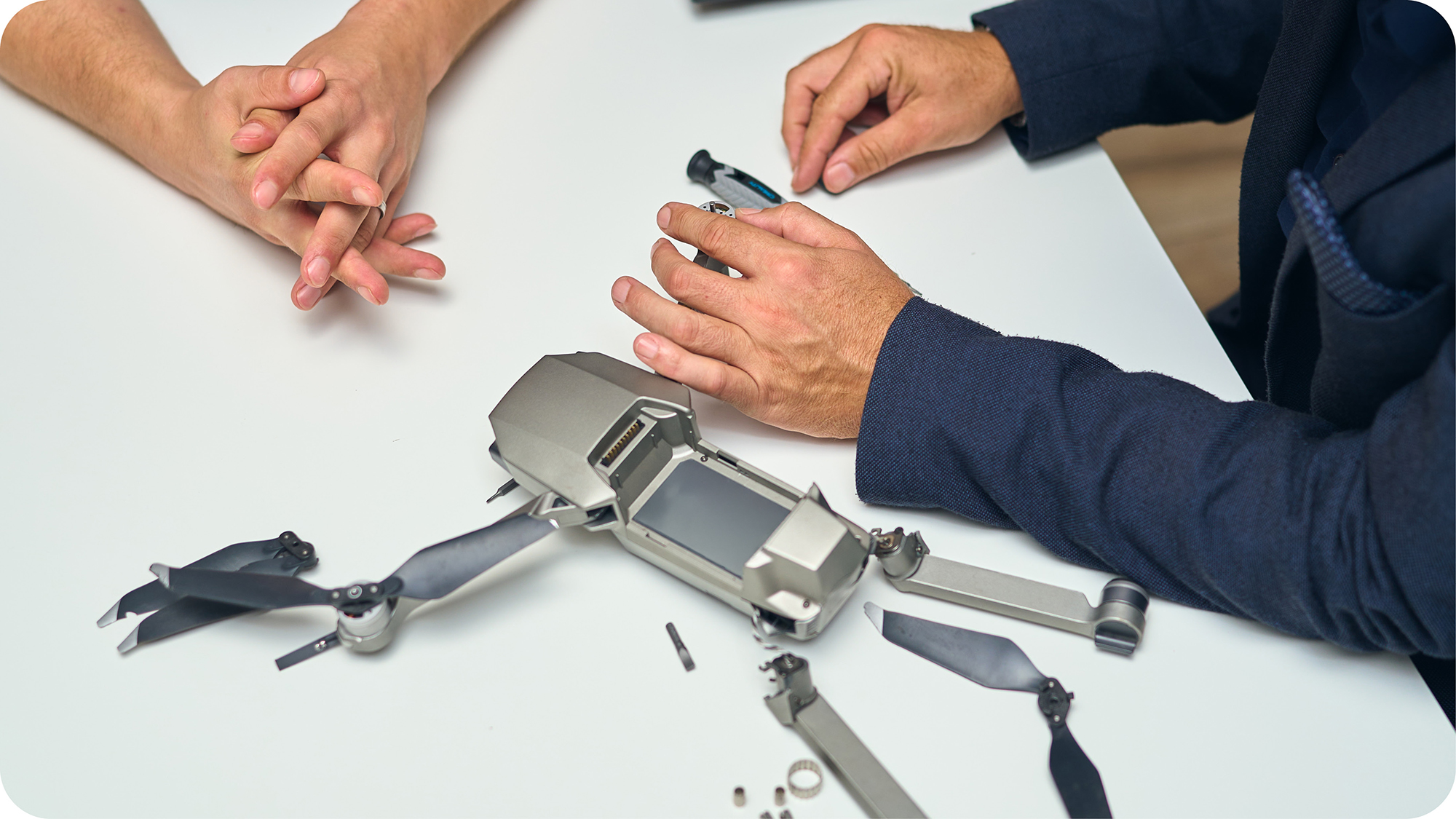
The project began with a visit by our Sales Manager to the customer’s purchasing department. About three weeks later, we received a comprehensive specification sheet for the transverse axis guides. A key requirement: the moving axis needed to be lighter while reliably withstanding high operational loads. We initially clarified with the customer what benefits they expected from the innovation, such as increased dynamics, faster travel movements, lower energy requirements, or design advantages.
Following our technical review, it became clear that our aluminum linear guide rails met the fundamental requirements. Their lightweight design makes them particularly attractive for applications where moving masses need to be reduced.
From Technical Review to Endurance Testing
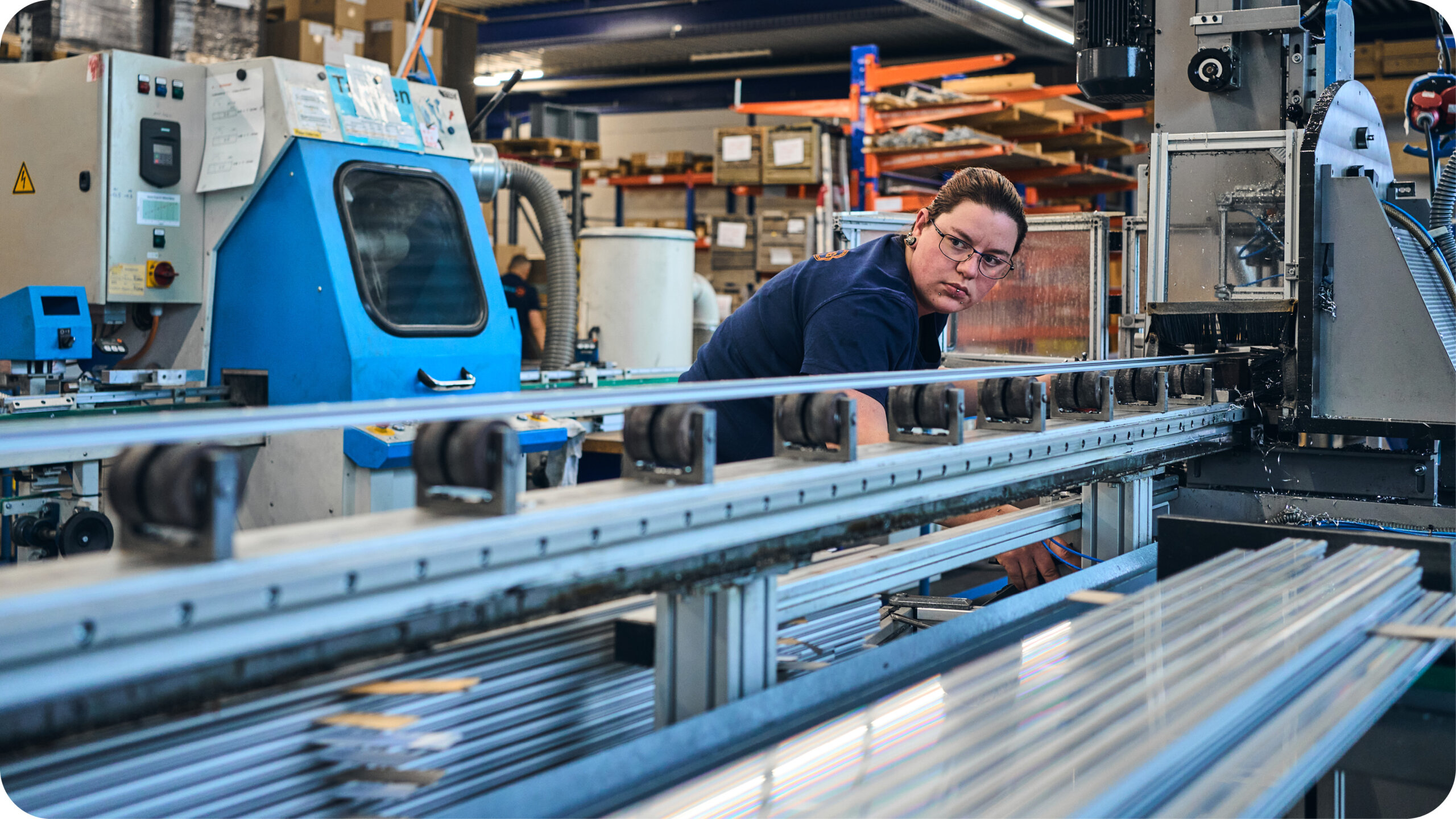
After reviewing the specification sheet, we prepared our proposal and used a further on-site meeting for technical coordination. We involved our Production Manager to ensure the customer-specific design of the linear guide rail was considered from sales, technical, and manufacturing perspectives right from the start.
Since February 2026, the guides have been in use around the clock in a test facility. The transverse axis is measured at regular intervals to detect any changes early on. The endurance test is intentionally long-term, as a component must prove itself under realistic conditions before being adopted into a new generation of machines. Test criteria include wear, tolerances, guiding accuracy, running behavior, and any potential deformations.
The concept phase is expected to continue until late autumn this year. The development phase will follow. Starting early next year, another three to five prototypes are to be equipped with our guides. In parallel, long-term tests are planned for one or two additional systems at the manufacturer’s site. The start of the pilot series is scheduled for late 2027.
Our approach illustrates what development work means in practice: testing technically suitable components under the actual conditions of the future application, gathering insights together, and further developing the solution as needed.
Understanding the Application Enables Further Innovation
However, the collaboration was not limited to linear guides. During a subsequent visit, our Sales Manager spoke to the customer about the ball screws used in the cutter heads. It turned out that the customer had been looking for a second source for these components for some time. Shortly thereafter, we received the relevant drawings and were able to prepare a proposal. Three test samples are currently being installed and tested in existing systems.
Thus, two concrete development projects emerged from an initial inquiry about linear guides. As a result of the close personal exchange, we can better understand a machine, its requirements, and our customer’s goals, allowing us to identify and jointly evaluate technical possibilities more systematically.
Dr. TRETTER sees itself as more than just a supplier of individual components. We support our customers in finding suitable solutions, contribute our experience early in the development processes, and maintain a dialogue throughout the testing and trial phases.
Are you developing a new machine or looking to optimize an existing design? Talk to us about your requirements. Together, we will determine which solution fits your application.